What the Mystery Pallet Phenomenon Says About Retail’s Returns Crisis
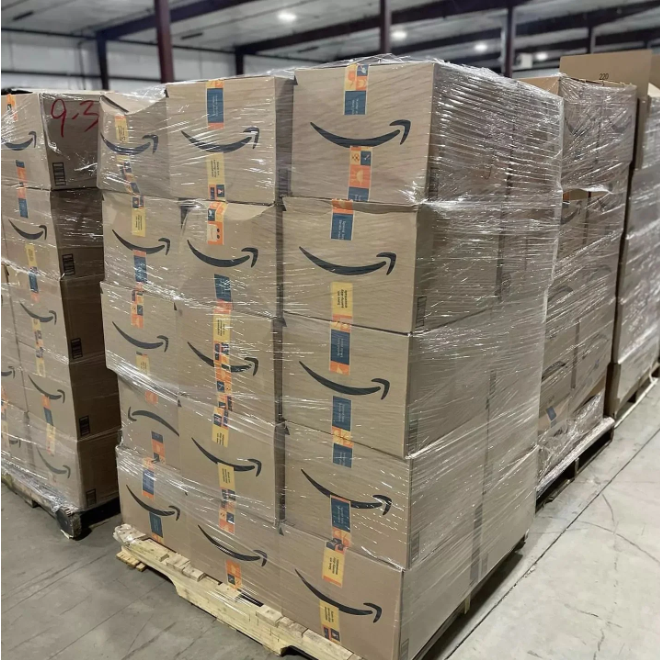
When Annemarie Conte, reporter for New York Times’ Wirecutter, convinced her bosses to spend over $700 on a 450-pound mystery pallet packed with returned goods from Amazon and other retailers, she expected an exciting unboxing experience. What she got instead was a stark look into the troubling reality about the state of retail returns – and the massive opportunity for innovation.
When you dig into what’s actually inside these pallets, patterns emerge. In fact, the Wirecutter investigation revealed something retailers have known for years but haven’t fully addressed: many returns are preventable.
Inside that 450-pound box were products that likely came back for predictable reasons:
- Sizing inconsistencies – that sweater that ran two sizes too small
- Misleading product descriptions – that “waterproof” jacket that wasn’t
- Wrong expectations – products that looked different than their online photos
- Quality issues – items that broke after minimal use
- Simple mistakes – wrong items shipped or fulfillment errors
The mystery pallet phenomenon is a symptom of a broken system where products flow backwards through the supply chain at unprecedented rates, eventually ending up in liquidation warehouses where they’re often sold for pennies on the dollar.
The Numbers Behind the Mystery Pallets
Last year, these secondary sales reached an estimated $846 billion in the U.S., up dramatically from $297 billion in 2008, according to supply-chain management experts. To put that in perspective, that’s larger than the entire GDP of Switzerland. Clearly these aren’t just random overstock items – they’re products that customers purchased, used briefly (or not at all), and sent back.
Returns in 2024 are expected to total $890 billion, representing about 17% of all retail sales. Even more concerning? These returns created 8.4 billion pounds of landfill waste, demonstrating that the returns crisis is more than just a financial problem.
Where AI Enters the Picture
Now here’s where it gets interesting. What if retailers could identify the problems causing returns before products ever ship?
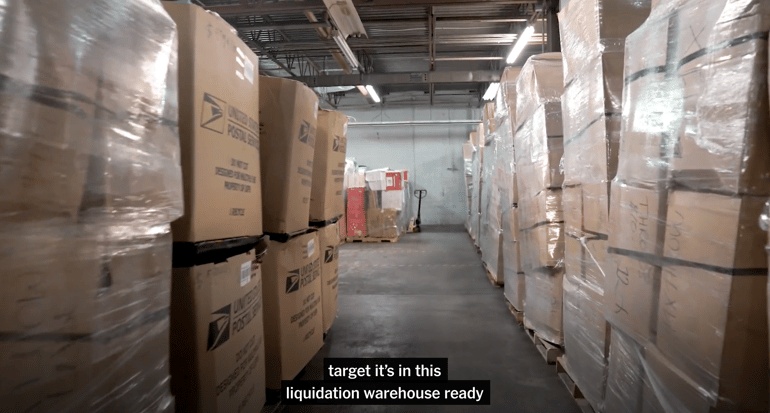
Traditional analytics can tell you what happened last quarter – return rates went up, certain categories performed poorly, customer satisfaction dipped. But by then, the damage is done. Those products are already in liquidation warehouses, waiting to become someone’s mystery pallet.
Returnalyze changes that with an AI-powered returns prevention platform. By continuously analyzing data across millions of transactions, it can detect patterns that human analysts miss:
- A new shoe line where customers consistently complain about sizing running small
- Product descriptions that create unrealistic expectations
- Manufacturing batches with quality control issues
- Fulfillment centers with higher error rates
Most importantly, Returnalyze doesn’t just flag problems – it prescribes specific actions. When it detects a sizing anomaly in a new product line, it can recommend updating product descriptions with specific fit guidance, alert inventory teams to adjust allocation strategies, and even identify which customer segments are most affected.
From Reactive to Proactive
Today, the returns system is largely reactive. Products get returned, processed and eventually liquidated. This returns ‘management’ approach requires retailers to absorb massive costs while trying to optimize the returns process itself.
Recent findings show that with the right data and early intervention, a proactive returns prevention strategy delivers meaningful impact to the bottom line:
Product Development: Identifying and fixing product description issues, sizing inconsistencies, or quality problems within days of launch — before thousands of units ship to customers who’ll send them back.
Real-Time Alerts: Detecting emerging return patterns to alert the right teams immediately. That footwear brand that reduced returns by 25% after AI flagged sizing issues just two weeks after launch? They saved millions because they caught the problem early.
Cross-Functional Intelligence: AI can route insights directly to product and merchandising, e-commerce, operations, and supply chain teams, ensuring problems get solved by the people who can actually fix them.
Making Data Work Harder
What if leading retailers could cut their return rate in half next year? The financial impact would be massive. The environmental benefits would be substantial. And customers would get what they actually want the first time, dramatically improving their experience.
Getting smarter about preventing the root causes in the first place requires:
- Comprehensive data integration across e-commerce platforms, warehouse systems, customer service, reviews and ratings
- AI that can detect subtle patterns invisible to traditional analytics
- Actionable recommendations that teams can implement immediately
- Continuous monitoring to catch emerging issues before they scales
At Returnalyze, we’re working with leading retailers to achieve this through a proven approach and platform. And, the results speak for themselves: clients typically achieve 15-20% reductions in return rates within months, translating to millions in recovered revenue while dramatically improving customer satisfaction.
The Path Forward
The mystery pallet phenomenon isn’t going away anytime soon, the secondary market is too large and too profitable. But its existence should serve as a wake-up call. Every pallet represents thousands of preventable returns, lost revenue, disappointed customers and unnecessary environmental impact.
But this doesn’t have to be the future of retail. With the right technology and the right approach, we can build a system where customers get what they expect the first time, retailers protect their margins, and those mystery pallets become a relic of an inefficient past rather than a growing trend.
The data is there. The technology exists. The question is: are retailers ready to shift from reactive returns management to proactive returns prevention?
Ready to prevent returns before they happen? Schedule a demo or contact our team to learn how AI-powered returns prevention can transform your business.
FAQ
What is the “mystery pallet” phenomenon in retail?
The mystery pallet phenomenon refers to large pallets of returned or excess retail goods sold in bulk, often sight unseen, to resellers or consumers. These pallets are usually made up of products that were purchased, briefly used (or not used at all), and then returned, highlighting the scale and inefficiency of retail returns.
Why are retail returns such a big problem for retailers today?
Retail returns create massive financial, operational, and environmental costs. They drive up reverse logistics expenses, reduce margins, strain warehouse operations, and often lead to products being liquidated or sent to landfill. With returns nearing a fifth of total retail sales, they’re now a strategic issue, not just an operational one.
How can AI help prevent returns before they happen?
AI can analyze millions of transactions, reviews, and customer interactions in real time to detect patterns that lead to returns, such as sizing inconsistencies, misleading product descriptions, quality issues, or fulfillment errors. Instead of reacting after products come back, retailers can proactively fix problems at the source.
What is the difference between returns management and returns prevention?
Returns management focuses on handling returns efficiently after they occur, processing, routing, and liquidating products. Returns prevention focuses on reducing the number of returns in the first place by identifying and addressing root causes like poor fit, inaccurate descriptions, and operational errors.
What kind of impact can AI-powered returns prevention have on a retail business?
AI-powered returns prevention can reduce return rates, protect margins, and improve customer satisfaction. Retailers can see meaningful reductions in returns, often in the 15–20% range, while recovering millions in revenue, lowering waste, and delivering a better customer experience.
What types of data are needed to power AI returns analytics?
Effective AI returns analytics typically requires integrated data from e-commerce platforms, order and warehouse systems, customer service logs, reviews and ratings, and product catalogs. Bringing these sources together allows AI models to find subtle patterns that traditional analytics often miss.
How does Returnalyze help retailers address the returns crisis?
Returnalyze provides an AI-driven returns prevention platform that continuously analyzes transaction and returns data, flags emerging issues like fit or quality problems, and recommends specific actions for product, merchandising, e-commerce, and operations teams. This helps retailers move from reactive returns management to proactive prevention.
Can returns prevention also reduce environmental impact?
Yes. By stopping unnecessary returns before they happen, retailers ship fewer replacement products, reduce reverse logistics, and keep more items out of liquidation channels and landfills. This cuts emissions and waste while aligning with sustainability goals.