• Platform
        • PLATFORM

          AI-powered retail returns prevention

        • Platform Overview

          Unlock returns intelligence

          Capabilities

          See how Returnalyze works

          Setup & Onboarding

          Easy to set up, easy to use

          Use Cases

          Built for retail teams

        • Read case study ➜

  • Results
        • RESULTS

          Achieve more
          profitable growth


        • Profit Drivers

          Uncover hidden profit levers

          Value Plays

          Elevate cross-functional wins

          Measured Impact

          See what fixing returns is worth

          Customer Stories

          Validate the ROI

        • Read case study ➜

  • Resources
        • RESOURCES

          Better retail margins
          start here


        • Returnalyze Blog

          Find your next insight

          Newsroom

          Catch up on what's new

          Customer Stories

          Learn from top brands

          Briefs & Reports

          Get to know Returnalyze

        • Read case study ➜

  • Book a Meeting
  • Company
        • COMPANY

          Born from retail.
          Built for scale.


        • About Us

          Discover what sets us apart

          Leadership Team

          Meet the leaders driving change

          Investors & Advisors

          See who powers our growth

          Partners

          Explore our solution ecosystem

        • Read case study ➜

  • Solutions
        • SOLUTIONS

          Reduce returns where
          they hit the hardest


        • Apparel & Footwear

          High-returning styles

          Luxury Goods

          Expectation shortfalls

          Home & Living

          Color, scale and quality

          Consumer Electronics

          Feature gaps and compatibility

        • Read news release ➜

  • Sign In
  • Menu Menu
  • Platform
  • Results
  • Resources
  • Book a Meeting
  • Company
  • Solutions
  • Sign In

Archive for category: Merchandising

Preventing Returns is a Powerful Thing We Can Do for the Planet

April 21, 2026/by Returnalyze

Every Earth Day celebration is a reminder to re-examine the operational routines that quietly shape retail’s environmental footprint. Few are more visible, yet more underestimated, than consumer returns. Every returned item sets off a chain reaction: a truck, a warehouse, a new box, and too often, a landfill.

The environmental math is alarming, and it’s an equation we can no longer afford to ignore. This Earth Day, we’re putting a spotlight on the sustainability crisis hiding inside retail’s return problem – and what Returnalyze is doing to help large retailers turn the tide.

The toll is not abstract. In a single year, returns of goods in the United States generated an estimated 24 million metric tons of CO₂ emissions. The culprits are familiar: transportation emissions, excess packaging waste, and the energy required for product reconditioning. But what makes this crisis both urgent and solvable is that so much of it is entirely preventable.

When retailers understand why products are being returned, they gain the power to stop those returns before they ever get packaged and sent. This is precisely where Returnalyze makes a difference. Our AI-powered returns intelligence platform analyzes return data and other customer signals, uncovering the root causes that drive unnecessary returns across every product category.

By identifying patterns in historical returns data – whether seasonal variations, specific product defects, or sizing inconsistencies – Returnalyze enables retailers to proactively adjust their product descriptions, assortments, technical designs, manufacturing sources, inventory strategies, and operational processes before problems compound.

The result is fewer items on the returns highway and fewer emissions generated getting them there.

When a product description is vague, when a sizing chart runs small, when a supplier quality issue is emerging at a specific facility, Returnalyze surfaces that intelligence in real time and routes it to the teams who can act on it.

Less confusion at the point of purchase means fewer returns, fewer emissions, and less waste potentially destined for a landfill. That’s not a side benefit. It’s a direct line between data intelligence and environmental impact.

For the returns that do happen, Returnalyze’s real-time analysis engine can rapidly identify which return patterns are geographically concentrated, allowing retailers to establish local return hubs. This approach further reduces the carbon footprint of transporting goods back to centralized warehouses.

While the sustainability dividends are significant, results of this sort of prevention multiply quickly for large retailers in other ways, too. A $1 billion retailer preventing just 25% of its controllable returns would recover $30–$45 million in EBITDA annually.

The message for retailers is clear: how you manage returns is inseparable from how seriously you take your environmental commitments.

For enterprise retailers managing millions of transactions, these operational improvements translate into measurable, reportable progress against corporate ESG and sustainability targets – the kind of progress that resonates with boards, investors, and consumers alike.
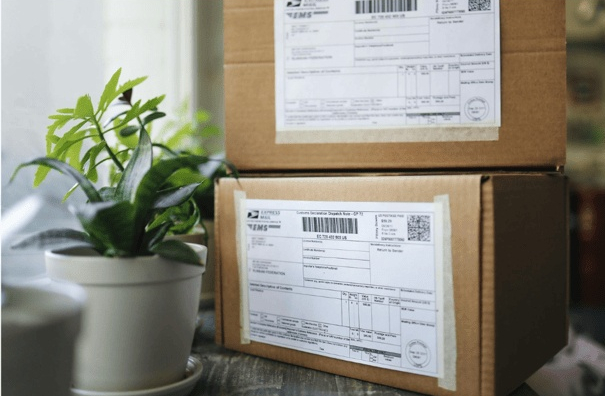
 

This Earth Day, we believe the most powerful thing a large retailer can do for the planet isn’t just to plant trees and publish a sustainability report. It’s to prevent the returns that should never have happened in the first place. Every return prevented is a shipment that doesn’t happen, a pound of packaging that isn’t wasted, and a product that stays in a customer’s hands rather than ending up back in a warehouse — or worse, a landfill.

At Returnalyze, we’re proud to be the platform that makes that possible for the world’s leading retailers. The data is there. The tools are here. The only question is whether your organization is ready to act.


Ready to turn your returns data into a sustainability advantage? Contact the Returnalyze team at [email protected] to learn how our AI-powered platform can help your organization reduce returns, reduce waste, and build a more resilient, responsible retail operation.

FAQ

Why are retail returns bad for the environment?

Retail returns create added transportation emissions, packaging waste, energy use, and product handling. In many cases, returned goods also end up in landfills, increasing the environmental cost of retail operations.

How can preventing returns support sustainability goals?

Preventing returns reduces unnecessary shipments, excess packaging, reverse logistics activity, and product waste. This helps retailers lower their carbon footprint and make measurable progress toward ESG and sustainability targets.

What causes so many preventable retail returns?

Many preventable returns are caused by unclear product descriptions, inaccurate sizing information, product defects, quality control issues, and mismatches between customer expectations and the point-of-purchase experience.

How does returns intelligence help reduce waste?

Returns intelligence helps retailers understand why customers send products back. By identifying root causes in return data, retailers can make changes to product pages, sizing guides, sourcing, and operations that prevent future returns and reduce waste.

How does AI help retailers prevent returns?

AI can analyze return data at scale, detect patterns, uncover root causes, and route insights to the right teams quickly. This allows retailers to act earlier on issues involving sizing, product quality, supplier performance, and customer experience.

What is the connection between returns and carbon emissions?

Each return often requires additional transportation, packaging, and warehouse processing. These activities increase CO₂ emissions, especially when returns happen at high volume across multiple regions and product categories.

Can return data help retailers make better operational decisions?

Yes. Return data can reveal recurring issues tied to products, suppliers, fulfillment locations, and customer experience gaps. Retailers can use this information to improve assortments, technical design, inventory strategy, and manufacturing decisions.

What are local return hubs, and why do they matter?

Local return hubs are return-processing locations closer to customers or in concentrated return regions. They help reduce the distance returned items travel, which can lower transportation emissions and improve operational efficiency.

How can reducing returns improve both profit and sustainability?

Reducing returns helps retailers protect margin by lowering reverse logistics and processing costs while also reducing waste and emissions. This creates both financial and sustainability benefits.

How does Returnalyze help retailers build a sustainability advantage?

Returnalyze helps retailers use AI-powered returns intelligence to identify preventable returns, improve cross-functional decision-making, and reduce the environmental impact of reverse logistics. This supports a more efficient and responsible retail operation.


https://www.returnalyze.com/wp-content/uploads/Screenshot_202026-04-20_20135608-e1783972967944.jpg 396 605 Returnalyze https://www.returnalyze.com/wp-content/uploads/returnalyze-logo-updated-blackbg.svg Returnalyze2026-04-21 16:54:142026-07-15 17:17:09Preventing Returns is a Powerful Thing We Can Do for the Planet

Four Ways AI Reduces Unprofitable Bracketing Behavior

March 6, 2026/by Returnalyze

The global eCommerce market is on a massive growth trajectory, but it also brings an equally massive operational challenge: the high cost of returns. In 2025, total returns for the retail industry reached a staggering $850 billion, with nearly 20% of all online sales sent back.

Peripheral to this multi-billion dollar boomerang is a consumer behavior known as “bracketing” – where shoppers buy multiple sizes or colors of a single item with the explicit intention of returning the ones that don’t work out.

While it’s a behavior retailers frequently overestimate, bracketing still accounts for nearly 10% of returns across apparel and footwear, and its impact on margins is anything but small. Returnalyze, a specialized returns-prevention platform, has studied this behavior extensively, and the data points to a clear opportunity for retailers willing to act.

The Bracketing Epidemic

Today, bracketing is a mainstream “try-before-you-commit” behavior, particularly among younger demographics. (Over 51% of Gen Z shoppers admit to purchasing this way.) Generous return policies, such as free returns and long return windows, actively reinforce this risk-free shopping mentality.

Aside from the inventory distortion of units tied up in transit, return logistics can cost up to 59% of an item’s original price, further impacting already tight margins. Fashion absorbs the brunt of this cost, as clothing and footwear remain the most frequently returned categories at 39% and 37%, respectively.

Bracketing Meets Its Match

To combat this margin-crushing impact, retailers are increasingly turning to AI. Solutions today range from AI-powered size recommendation engines that guide shoppers to the right fit on the first try, to smart return policies that trigger “keep it” refunds when reverse logistics costs exceed a product’s value.

Where purpose-built AI platforms like Returnalyze go further is in transforming raw return data into targeted, actionable prevention strategies. Rather than broad fixes, Returnalyze pinpoints the specific behaviors and product-level issues driving bracketing with four core capabilities:

  • Deep Root Cause Analysis: The platform’s multi-dimensional analytics go beyond basic customer feedback by actively evaluating bracketing behavior alongside product attributes, quality, and shipping data. This allows Returnalyze to distill the reasons why customers feel compelled to bracket a particular product.
  • Customer Behavior Pattern Recognition: Returnalyze’s AI algorithms track and identify specific customer behavioral patterns around bracketing, exchanges, and repurchasing, then deliver prescriptive recommendations on which behaviors to capitalize on versus which require immediate course correction.
  • Distinguish Genuine Shoppers from Resellers: The Returnalyze platform analyzes multi-item purchasing patterns to help retailers differentiate between a shopper bracketing for size and suspicious reseller activity, where a customer buys multiple sizes or colors of the same item to resell.
  • Eliminate the Need to Bracket with Sizing and Fit Solutions:  Because bracketing is heavily driven by size uncertainty, Returnalyze identifies specific fit anomalies early in the product lifecycle. Retailers can then act on the platform’s recommendations to update size guides or add fit direction on the product page – such as “runs small” or “runs large”. By giving shoppers the right information upfront, it eliminates the sizing guesswork that causes bracketing in the first place.

New Report Proves the Point

Returnalyze’s 2025 Peak-Season Returns Performance Report demonstrates this powerful opportunity for retailers. It shows that while size-bracketing in apparel and footwear has generally increased year over year, retailers with a proactive returns-prevention strategy held their return rates virtually flat – proof that the right intelligence makes all the difference.

By recognizing bracketing as a systemic issue rather than an unavoidable cost of doing business, brands can shift the paradigm – intercepting bracketing upstream, before a return label is ever printed.

FAQ

What is bracketing behavior in E-commerce?

Bracketing is a consumer shopping behavior in which customers intentionally order multiple sizes or colors of the same item, with plans to return whatever doesn’t work out. It’s essentially a “try-before-you-commit” approach to online shopping. The behavior accounts for nearly 10% of all returns across apparel and footwear and is especially prevalent among Gen Z shoppers, over 51% of whom admit to purchasing this way. Generous return policies, such as free return shipping and extended return windows, further reinforce the habit.

How does AI-powered return analytics help prevent bracketing?

AI-powered return analytics platforms like Returnalyze go beyond surface-level return data to uncover the root causes of bracketing at the product level. The platform uses four core capabilities, deep root cause analysis, customer behavior pattern recognition, reseller detection, and fit anomaly identification, to pinpoint exactly why shoppers feel the need to over-order. With those insights, retailers can take targeted action: updating size guides, adding fit direction (such as “runs small” or “runs large”) directly on product pages, and flagging suspicious purchasing patterns, all before a return label is ever printed.

How much do retail returns cost the industry?

The numbers are staggering. In 2025, total retail industry returns hit $850 billion, with nearly 20% of all online purchases returned. The operational toll is equally steep;  return logistics can cost up to 59% of an item’s original sale price. For fashion retailers already operating on tight margins, bracketing significantly increases costs, making a proactive returns prevention strategy essential to protecting profitability.

Which product categories are most affected by bracketing?

Clothing and footwear bear the heaviest burden. Apparel has the highest return rate at 39%, followed closely by footwear at 37%. Because bracketing is overwhelmingly driven by size and fit uncertainty, these categories are disproportionately impacted. When a shopper isn’t confident their usual size will fit a particular brand or style, ordering two or three sizes feels like the safest bet, and the cost of that uncertainty lands squarely on the retailer.

How much do retail returns cost the industry?

Absolutely. Returnalyze’s 2025 Peak-Season Returns Performance Report shows that while size-bracketing in apparel and footwear increased year over year industry-wide, retailers with a proactive, data-driven returns prevention strategy managed to hold their return rates virtually flat. The takeaway is clear: bracketing isn’t an unavoidable cost of doing business. With the right AI-powered intelligence, brands can intercept the behavior upstream, improving sizing information, refining product pages, and flagging high-risk patterns before they become costly returns.

https://www.returnalyze.com/wp-content/uploads/Screenshot_202026-03-05_20145619.jpg 509 764 Returnalyze https://www.returnalyze.com/wp-content/uploads/returnalyze-logo-updated-blackbg.svg Returnalyze2026-03-06 09:00:002026-05-26 17:31:58Four Ways AI Reduces Unprofitable Bracketing Behavior

Six Predictions for Retail Profitability in the New Year 2026

January 15, 2026/by Returnalyze

The year 2026 is upon us, and for the apparel, fashion, and footwear sectors, it promises to be a defining moment. Facing economic volatility, shifting consumer priorities, and the swift onset of AI reshaping the sector, returns are no longer an unavoidable cost. They are now a strategic battleground for profitability.

At the NRF annual conference this week in New York, the message was clear: returns are being elevated from an operational nuisance to a top-5 executive priority.

Following are six predictions for how the industry will begin to tackle returns in 2026, and how data-driven solutions like Returnalyze will be essential for success when it comes to dramatically reducing them.

1. Returns-Adjusted Profitability Becomes the New North Star

The focus on top-line growth is over. CFOs and COOs will push for Returns-Adjusted Profitability as the standard metric. Merchandising and eCommerce teams will be held accountable for preventable returns, forcing a direct link between returns data and financial performance.

How Returnalyze Delivers: Returnalyze provides the core engine for this new paradigm, delivering SKU-level insights that impact true returns-adjusted margin. This gives executives the clear ROI they expect from returns prevention investments.


2. AI-Driven Returns Prevention Moves from Theory to Standard Practice

The single biggest operational shift is the widespread adoption of AI and retail returns is one of the fastest beneficiaries of this revolution.

How Returnalyze Delivers: Returnalyze operationalizes AI-driven returns prevention with:

  • Automated Root-Cause Analysis: Instantly tying returns to root causes like inaccurate sizing and fit, misleading product pages, quality issues, damages/defects or shipping delays.
  • Real-Time Risk Scoring: Leverage data to implement a real-time returns risk scoring capability at checkout for immediate customer experience or fraud detection intervention.
  • AI-Generated PDP Improvements: Using returns data to generate recommendations for product page optimization (copy, imagery, fit recommendation notes).

3. Product Development & Merchandising Will Integrate Returns Data Upstream

To reduce waste and protect margin, returns data can no longer live in a reverse logistics silo. Brands must integrate this intelligence upstream into product development and merchandising, a need highlighted by the demand for greater agility.

How Returnalyze Delivers: Returnalyze acts as the bridge to facilitate:

  • Product Development: Incorporating returns into product design optimization and assortment planning strategies
  • Returns-Informed Line Planning: Automatically identifying low-performing silhouettes, fabrics, or suppliers to inform design and reduce inventory risk before production starts, achieving true supply chain optimization.
  • Supplier Performance: Incorporating returns-adjusted profitability directly into supplier scorecards, creating a clear incentive for quality and negotiation leverage.

4. Retailers Shift From “Free Returns” to “Fair Returns”

To protect margins without damaging loyalty, retailers will implement “Fair Returns” policies. This means adopting tiered return policies (loyalty-based or risk-based) and implementing stricter rules for high-returning customers.

How Returnalyze Delivers: Returnalyze underpins this strategy by providing the necessary risk segmentation. It informs the application of tiered policies and identifies customers or items where stricter rules are warranted, ensuring policy recalibration is data-driven, not arbitrary.

5. PDP Quality Becomes a Battleground for Conversion and Returns Reduction

As retailers face increasing pressure on margin, the product detail page (PDP) is no longer just a conversion tool—it’s the first line of defense in returns prevention. Retailers will struggle with consumer expectation-setting due to rapidly shifting trends (e.g., silhouette changes), leading to a demand for significantly higher standards in product presentation and information.

How Returnalyze Delivers: Returnalyze provides the necessary data-driven feedback loop. The platform uses insights from returned items to generate automated, actionable recommendations for product page optimization such as copy, imagery, fit recommendation notes that prevent the next wave of returns before the customer even buys.

6. Reverse Logistics Gets Leaner, Faster, and More Automated

With tariffs and supply chain shifts forcing cost discipline, retailers will invest in making the reverse logistics process a true margin recovery engine. This means a focus on speed, efficiency, and further automation to reduce the cost of handling returned goods.

How Returnalyze Delivers: While Returnalyze is primarily focused on returns prevention upstream, its rich data provides critical intelligence for the logistics team, enabling:

  • Operational Troubleshooting: Root cause analysis pinpoints operational failures, such as late deliveries, damages or incorrect items being shipped, providing contextual evidence needed to address inefficiencies at the warehouse or fulfillment level.
  • Fraud Detection: Deep customer behavior analytics and visibility into the “why” behind returns helps rapidly identify and mitigate suspicious activity before it escalates into a larger financial threat.

It’s clear that returns are no longer a back-office function. In 2026, prevention becomes a strategic, AI-powered discipline that touches product, supply chain, customer experience, and finance. Retailers that partner with solutions like Returnalyze will excel by treating returns as a predictive signal, not merely a cost of doing business.


Ready to prevent returns before they happen?  Schedule a demo or contact Returnalyze to learn how AI-powered returns prevention can transform your business.

FAQ

Why are retail returns such a major focus going into 2026?

Retailers are under pressure from margin compression, tariffs, and shifting consumer behavior. Returns are no longer just an operational cost but a direct threat to profitability, making prevention a board-level priority.

What is returns-adjusted profitability?

Returns-adjusted profitability measures true margin by factoring in the cost and frequency of returns at the SKU, category, and supplier level. It helps retailers understand which products actually drive profit after returns.

How does AI help reduce retail returns?

AI identifies patterns across return reasons, customer behavior, product attributes, and fulfillment issues. This allows retailers to prevent returns before they happen through better product pages, smarter policies, and improved merchandising decisions.

What does “fair returns” mean for customers?

Fair returns policies balance customer experience with profitability. Instead of blanket free returns, retailers apply loyalty-based or risk-based rules that reward responsible shoppers while limiting abuse.

Why are product detail pages critical to returns prevention?

Poor sizing guidance, misleading imagery, and vague product descriptions are leading causes of returns. High-quality PDPs set accurate expectations and reduce post-purchase dissatisfaction.

How can returns data influence product development?

Returns data highlights recurring issues with fabrics, fits, silhouettes, or suppliers. Feeding this insight upstream allows teams to fix problems before products ever reach production.

Is returns prevention more effective than optimizing reverse logistics?

Both matter, but prevention has a much greater impact on margin. Eliminating preventable returns reduces shipping, labor, and inventory loss before costs are incurred.

https://www.returnalyze.com/wp-content/uploads/Blog_20Post_20Img_201.jpg 469 897 Returnalyze https://www.returnalyze.com/wp-content/uploads/returnalyze-logo-updated-blackbg.svg Returnalyze2026-01-15 09:00:002026-05-26 17:31:59Six Predictions for Retail Profitability in the New Year 2026

Archives

  • August 2026
  • June 2026
  • May 2026
  • April 2026
  • March 2026
  • February 2026
  • January 2026
  • December 2025
  • September 2025
  • July 2025
  • June 2025
  • March 2025
  • December 2024
  • November 2024
  • July 2024
  • June 2024
  • May 2024
  • April 2024
  • March 2024
  • February 2024
  • January 2024
  • December 2023
  • November 2023
  • October 2023
  • September 2023
  • August 2023
  • July 2023
  • June 2023
  • May 2023
  • April 2023
  • March 2023
  • February 2023
  • January 2023

Leading AI-Powered Returns
Prevention Platform for Retail

Platform

Product Overview
Setup & Onboarding

Capabilities

Unified Data
Root-Cause Analysis
Customer Behavior
Automated Actions
Closed-Loop Tracking
Chat AI Analytics
Retail Benchmarks

Results

Profit Drivers
Measured Impact

Value Plays

Growth Strategy
Operations
Merchandising
Product Development
eCommerce
Customer Experience
Finance

Company

About Us
Leadership Team
Investors & Advisors
Partners
Careers

Resources

Returnalyze Blog
Newsroom
Customer Stories
Briefs & Reports

Solutions

Apparel & Footwear
Luxury Goods
Home & Living
Consumer Electronics

Contact Us

Book a Meeting
Get Support

© 2026 Returnalyze, Inc. All Rights Reserved. Privacy Policy.

Scroll to top Scroll to top Scroll to top

This site uses cookies. By continuing to browse the site, you are agreeing to our use of cookies.

Accept settingsHide notification onlySettings

Cookie and Privacy Settings


How we use cookies

We may request cookies to be set on your device. We use cookies to let us know when you visit our websites, how you interact with us, to enrich your user experience, and to customize your relationship with our website.

Click on the different category headings to find out more. You can also change some of your preferences. Note that blocking some types of cookies may impact your experience on our websites and the services we are able to offer.

Essential Website Cookies

These cookies are strictly necessary to provide you with services available through our website and to use some of its features.

Because these cookies are strictly necessary to deliver the website, refusing them will have impact how our site functions. You always can block or delete cookies by changing your browser settings and force blocking all cookies on this website. But this will always prompt you to accept/refuse cookies when revisiting our site.

We fully respect if you want to refuse cookies but to avoid asking you again and again kindly allow us to store a cookie for that. You are free to opt out any time or opt in for other cookies to get a better experience. If you refuse cookies we will remove all set cookies in our domain.

We provide you with a list of stored cookies on your computer in our domain so you can check what we stored. Due to security reasons we are not able to show or modify cookies from other domains. You can check these in your browser security settings.

Other external services

We also use different external services like Google Webfonts, Google Maps, and external Video providers. Since these providers may collect personal data like your IP address we allow you to block them here. Please be aware that this might heavily reduce the functionality and appearance of our site. Changes will take effect once you reload the page.

Google Webfont Settings:

Google Map Settings:

Google reCaptcha Settings:

Vimeo and Youtube video embeds:

Privacy Policy

You can read about our cookies and privacy settings in detail on our Privacy Policy Page.

Privacy Policy
Accept settingsHide notification only