THE INTELLIGENCE LAYER REWRITING RETAIL’S FUTURE
Transform retail returns data into a strategic lever that protects margin and aligns teams for more profitable growth












Transform retail returns data into a strategic lever that protects margin and aligns teams for more profitable growth
Returnalyze unifies fragmented operational data and other customer signals into a single, intelligent source of truth, empowering retailers to drive enterprise-wide margin recovery. Developed alongside the world’s largest retailers, the platform correlates billions of data points with AI-driven precision, delivering actionable same-day insights at a scale and depth difficult to replicate.
Returnalyze gives retail executives a level of financial clarity the business has never had. The platform correlates billions of customer signals to expose exactly where profit is slipping away, and which actions will recover the most value fastest. Protect EBITDA by reducing avoidable returns, reveal true product profitability after returns are accounted for, and prioritize initiatives based on their financial upside. For the C-Suite, this means direct, measurable value creation.
Returnalyze helps retailers grow customer lifetime value (CLV) by revealing the behaviors most brands never connect – from bracketing, exchanges, and co‑purchases that influence basket size to sentiment, ratings, and geographic patterns that shape buying decisions. By correlating site, product, and fulfillment experience with actual returns behavior, Returnalyze exposes the mismatches that erode loyalty. The result is a clearer, more actionable view of what truly drives CLV.
Returnalyze strengthens retention economics by eliminating return‑driven churn, improving customer-product alignment, and ensuring acquisition dollars convert into profitable lifetime value. As acquisition‑heavy growth models become increasingly unsustainable, retention improvements now carry outsized financial leverage. By keeping more purchases and customers retained, Returnalyze drives smarter media investment and consistently delivers stronger returns on every dollar spent.
By surfacing early warning signals, such as products likely to fail, vendors driving quality or fit issues, CX policies that increase churn, and operational bottlenecks that inflate cost‑to‑serve, Returnalyze equips executives with the intelligence to intervene sooner and more strategically. This strengthens governance, stabilizes performance, and reduces volatility in financial outcomes, giving the board confidence that risks are being identified and addressed with precision.
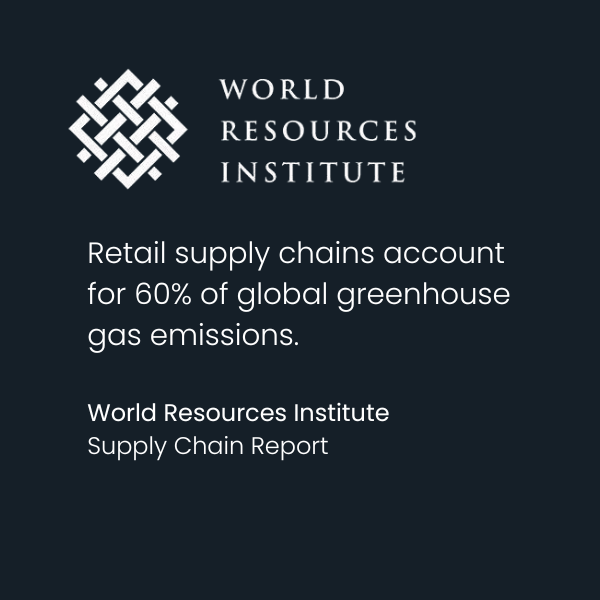
Retail returns create an outsized environmental footprint, sending products through carbon‑intensive shipping loops, repackaging cycles, and liquidation streams that often end in waste. Returnalyze helps retailers intervene upstream by revealing the root‑cause issues that drive unnecessary returns. By preventing avoidable returns before they enter the reverse‑logistics ecosystem, retailers can meaningfully reduce waste and emissions.
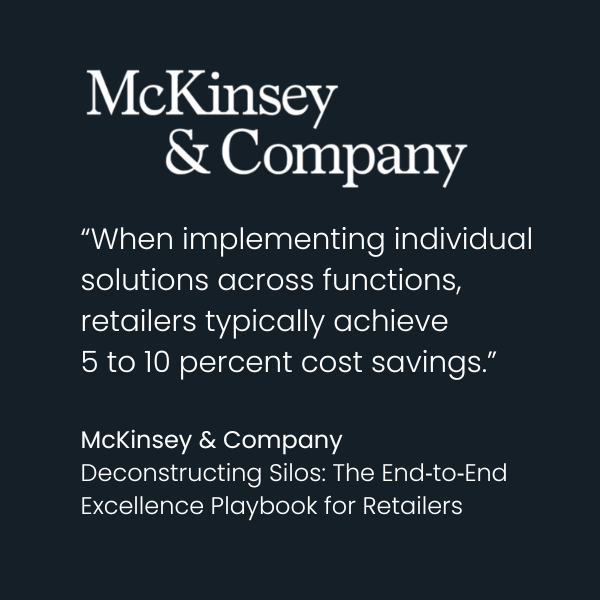
The root causes of returns and their remediation touch nearly every retail function, yet each team typically sees only its own narrow slice of the problem. Returnalyze replaces that fragmentation with a single source of truth that unifies teams around shared data, eliminates siloed decision‑making, and accelerates execution on the actions that protect margin. For the boardroom, this level of alignment isn’t just operationally cohesive, its transformative.
How can an enterprise returns prevention platform align retail teams?
A returns prevention platform aligns teams by giving every function – merchandising, e‑commerce, CX, supply chain, product and operations – access to the same intelligence, the same priorities, and the same measurable outcomes. Instead of each team working from fragmented data, the platform centralizes return insights, prescribes the highest‑value fixes, and routes them to the teams best equipped to act.
What profit drivers are unlocked when retailers reduce preventable returns?
Reducing preventable returns unlocks a powerful set of profit drivers across the retail business. Retailers protect margin by avoiding write‑offs and reverse‑logistics costs, improve sell‑through because products stay sold, and cut markdowns by keeping inventory moving predictably. Merchants make smarter assortment, buying and vendor decisions with clearer SKU‑level insights, while operations benefit from lower processing costs. At the same time, customers experience fewer disappointments, driving higher loyalty and lifetime value. Together, these gains create a compounding engine for profitable growth without increasing acquisition spend.
How does Returnalyze help retailers prioritize the highest‑value fixes?
Returnalyze prioritizes the highest‑value fixes by drilling into problems at the product, style, customer segment, channel, and manufacturer level to pinpoint where preventable returns are actually costing retailers the most. Instead of treating every anomaly equally, the engine surfaces the clusters where dollars concentrate: the SKUs driving outsized margin loss, the segments experiencing the most friction, the suppliers creating repeat defects, or the channels with elevated return risk. By ranking these issues by financial impact and customer impact, Returnalyze elevates the fixes that will deliver the greatest upside, ensuring teams focus on the interventions that meaningfully protect margin and improve the customer experience.
How does Returnalyze quantify the impact of every fix across the P&L?
Returnalyze quantifies impact by tying every fix directly to measurable changes in margin, sell‑through, inventory efficiency, and customer value. The platform establishes a financial baseline for each SKU, segment, and channel, then tracks how return rates, contribution profit, and operational costs shift once an action is taken. It attributes improvements back to the specific intervention, isolating the financial lift from noise like seasonality, promotions, or mix changes.
How does returns prevention strengthen customer loyalty and lifetime value?
Returns prevention improves loyalty and CLV by reducing the friction points that drive customers away: inaccurate product information, inconsistent sizing, supplier defects, damaged deliveries, and other avoidable issues that erode confidence. By fixing these problems upstream, retailers create more reliable shopping experiences, increase repeat purchase rates, and build long‑term value without increasing acquisition spend.