• Platform
        • PLATFORM

          AI-powered retail returns prevention

        • Platform Overview

          Unlock returns intelligence

          Capabilities

          See how Returnalyze works

          Setup & Onboarding

          Easy to set up, easy to use

          Use Cases

          Built for retail teams

        • Read case study ➜

  • Results
        • RESULTS

          Achieve more
          profitable growth


        • Profit Drivers

          Uncover hidden profit levers

          Value Plays

          Elevate cross-functional wins

          Measured Impact

          See what fixing returns is worth

          Customer Stories

          Validate the ROI

        • Read case study ➜

  • Resources
        • RESOURCES

          Better retail margins
          start here


        • Returnalyze Blog

          Find your next insight

          Newsroom

          Catch up on what's new

          Customer Stories

          Learn from top brands

          Briefs & Reports

          Get to know Returnalyze

        • Read case study ➜

  • Book a Meeting
  • Company
        • COMPANY

          Born from retail.
          Built for scale.


        • About Us

          Discover what sets us apart

          Leadership Team

          Meet the leaders driving change

          Investors & Advisors

          See who powers our growth

          Partners

          Explore our solution ecosystem

        • Read case study ➜

  • Solutions
        • SOLUTIONS

          Reduce returns where
          they hit the hardest


        • Apparel & Footwear

          High-returning styles

          Luxury Goods

          Expectation shortfalls

          Home & Living

          Color, scale and quality

          Consumer Electronics

          Feature gaps and compatibility

        • Read news release ➜

  • Sign In
  • Menu Menu
  • Platform
  • Results
  • Resources
  • Book a Meeting
  • Company
  • Solutions
  • Sign In

Breaking Down Bracketing: Growing Trend of Online Shopping

March 24, 2022/by Returnalyze

E-commerce continues to have an ever-changing effect on the retail landscape. And when it comes to online fashion and apparel, consumer behaviors can really throw retailers for a loop. Here at Returnalyze, we’re taking a closer look at the increasing phenomenon of bracketing, and how retail returns data is related to this current shopping trend.

What is Bracketing?

Bracketing occurs when an online shopper purchases multiple sizes and variations of an item, selects their favorites to keep, and then returns the rest to the retailer. This is a growing trend within the returns industry, and Vogue Business reports that nearly 15% of returned online purchases from multi-brand retailers are due to bracketing, adding that 58% of shoppers bought more goods in 2021 than they planned to keep.

Rather than purchasing one product, such as a dress or pair of shoes in a certain size, savvy shoppers will purchase that product in a range of sizing that may fit them – some sizes fitting more comfortably than others – to settle on the perfect item before sending back the rest. Online shoppers bracket not only according to size, but also in terms of color, material, and other details, like heel height. A luxury shoe retailer, for instance, may offer a dress shoe in both high heel and kitten heel styles, prompting an online shopper to purchase both styles of heels with the intent to return the pair they don’t want.

At Returnalyze, we’ve found that, surprisingly, many consumers who over-purchase end up keeping more than one item. In fact, we’ve discovered that the keep rate for bracketing is higher than 75%. This means that online shoppers are actually holding on to most of the purchased products that they – and perhaps retailers – assumed would be returned. Unique returns data like this can offer incredible business information to retailers, such as insight to what sort of items are bracketed and why.

Why do Shoppers Bracket?

There are many reasons why consumers bracket when shopping online, including preference, convenience, and necessity.

Bracketing ensures that shoppers will receive their ideal product the first time, rather than returning a version that didn’t work and risk it being unavailable later. They’re also avoiding multiple transactions and wait times on shipping, plus eliminating additional packaging from arriving on their doorstep. Customers can simply keep the items they like best from a single purchase, and return the rest. Sounds convenient, right? And with free returns offered by many online retailers, bracketing is made even easier.

Over-purchasing online and then returning the unwanted apparel is also a way for online shoppers to create a personal fitting room at home. And in dealing with the recent pandemic, this has proven to be a necessity for retailers and shoppers alike. With most in-store fitting rooms closed throughout the pandemic, many consumers have turned to bracketing as a way to take the guesswork out of shopping for apparel online.

How Does Bracketing Affect Business?

Bracketing can affect a retail business in a few surprising ways. Retailers usually assume that bracketing will hurt their bottom line, because they’re thinking about all of the unwanted products that are being returned.

But, like we’ve mentioned, shoppers who bracket actually end up keeping most of their purchased items. Overall, customers hold on to more of a retailer’s product than they send back. If you’re a retailer, consider using returns insight like this to your advantage. For example, it may be beneficial to offer multiple color options for each item, since you’ve discovered that your shoppers like to bracket – and inevitably keep – additional items of various colors.

While shoppers are bracketing for a handful of different reasons, the return rates are higher among items bracketed for size. At Returnalyze, we’ve found that many online shoppers will purchase a variation of sizes and styles, keep the style variations, and return items of the wrong size. So, retailers may experience minimal returns due to customers bracketing for color or style, but will definitely see returns due to bracketing for size.

Unfortunately, retailers don’t usually have enough visibility into bracketing, and returns insight like this simply goes unnoticed.
Returnalyze Can Help

Taking a closer look at the returns data provides incredible business information related to bracketing. A retailer’s data analytics will determine which returns are coming from bracketing, and which returns are occurring for other reasons. It’s immensely valuable for retailers to have this business discernment, and to know if items are returned because of issues with quality, poorly written product descriptions, fit and sizing problems, or customer shopping tendencies – such as bracketing.

As a retailer, you might even uncover incentive to accommodate shopping behaviors like bracketing, if it’s proving to be beneficial to your business. Perhaps you’ll want to make it even easier for your online customers to over-purchase while shopping, by allowing them to quickly checkout with just one a click. Or, you may decide to ease the effects of bracketing by providing streamlined in-store returns for online purchases – which offers the added benefit of getting shoppers into your store.

Bracketing insight discovered within returns data can also indicate any “sacrificial lambs” – products that are consistently returned that may be affecting a retailer’s business. Remember the luxury shoe retailer who offers both high heel and kitten heel heights? This retailer may discover that their customers are bracketing for heel height, and always returning the kitten heel. As such, this luxury retailer may want to investigate why this particular shoe is regularly returned.

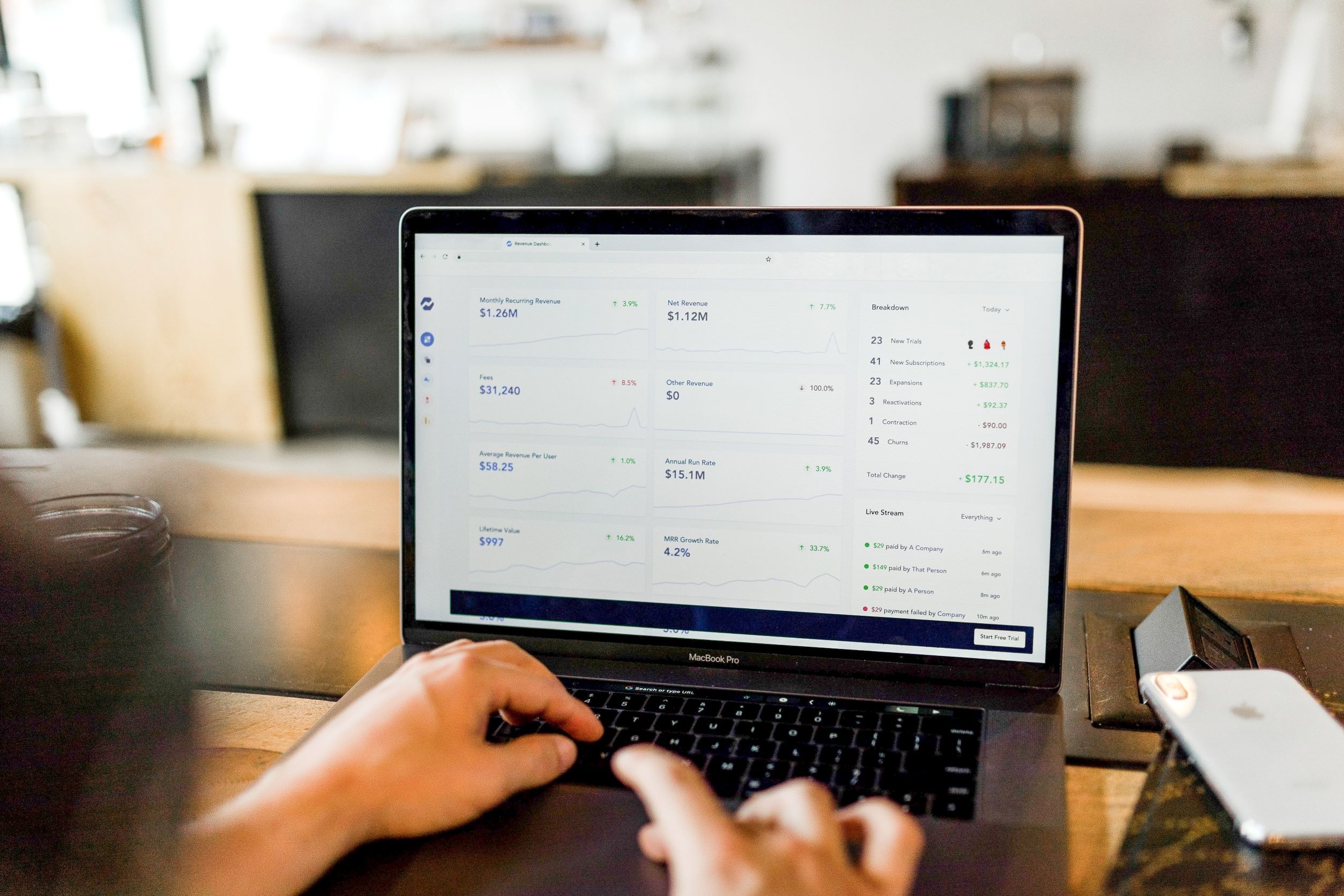
At Returnalyze, this is precisely the type of insight provided by our unique platform. Retailers are able to observe the buying behavior and patterns of their customers, and then act accordingly. With one intelligent dashboard, our retail partners have an ability to flag returns that occur from bracketing, discover criteria that shoppers are bracketing for, uncover their sacrificial lambs, and do so much more to change their returns outcomes.

If you’re a retailer looking to use your own returns data to your advantage, reach out to our team to find out how we can help.

https://www.returnalyze.com/wp-content/uploads/Bracketing_201_20-_20Returnalyze.jpg 1773 2364 Returnalyze https://www.returnalyze.com/wp-content/uploads/returnalyze-logo-updated-blackbg.svg Returnalyze2022-03-24 09:00:002026-05-20 10:46:41Breaking Down Bracketing: Growing Trend of Online Shopping

Effective Strategies for Managing Sizing Issues to Reduce Returns – Returnalyze

March 10, 2022/by Returnalyze

As a retailer within the e-commerce industry, you’re probably offering apparel online in a variety of sizes. But what happens when the sizing isn’t quite right? Perhaps you’re experiencing a high return rate because of the fit and sizing of certain items.

Problems with fit exist as the driving force behind most retail returns, accounting for 42% of consumers’ returns. But maybe you’re a retailer who isn’t aware that you have an excessive amount of returns due to these issues, until taking a closer look at your returns data. The good news is that these fit and sizing issues can be managed, and unwanted returns prevented.

What Your Returns Data Indicates

Let’s first explore what the returns data analytics can uncover about your retail business. Your returns data will indicate which products are experiencing a higher return rate than expected, and can even help you determine why these items are being returned.

You may find that a certain product provided by one supplier is being returned at a higher rate than a similar product provided by another supplier. You might be working with a new supplier, for example, and the production of the item has changed the way it fits your customers.

Or, you could be utilizing an assortment of materials in the production of your garments, which will each have a varying effect on the structure and fit of each item. Lace, for example, may be a looser-fitting material than leather. The use of differing materials could easily lead to a variation in sizing. Additionally, you may find in your returns data that a certain item is consistently returned because the material is damaged, which could again point to a need for closely examining your suppliers.

Your returns data will also tell you a lot about your customers and their returns habits. You may find that some online shoppers are bracketing — which is when a shopper will purchase multiple sizes and variations of an item, select their favorite to keep, and then return the rest. With a closer look at your returns data, you’re able to leverage this bracketing insight and use it to your advantage.

Your returns data can also indicate how styling and design are affecting the fit and feel of the apparel you’re selling. If you are a shoe retailer, for instance, you may have a newly released style of shoe with padded lining on the inside. This shoe may now fit more snuggly, and require a sizing adjustment noted to shoppers.

Also, when a specific style of shoe is returned at a higher rate than expected, you might consider that you have inadequate product descriptions and sizing charts on your website. Fortunately, you can easily make improvements to your business and website that help to manage sizing issues, based on discoveries made by your returns data.

Using Your Returns Data to Address Sizing Issues

Detailed analytics of returns data, like what we offer here at Returnalyze, assist retailers in addressing and eliminating their sizing issues. Once you know where the issues lie, you can make the needed adjustments to change your business outcomes.

As for sizing, you must first determine a “normal” range of size variation for your product. Then, you need to be consistent with this range when creating sizing guides for your online shoppers. However, consistency with sizing doesn’t equate to using the same size range across the board. If you’re a retailer carrying multiple brands, you should be providing detailed sizing guides for each brand you carry, rather than using one sizing guide for the entire store. What qualifies as a certain size with one brand, might be a bigger or smaller fit than that same sized item made by a different brand.

Similarly, you may need to offer different sizing guides for different products, like shoes. Remember that part about how various materials can affect sizing? A leather pump in size seven may fit differently than a size seven tennis shoe. This should be considered when providing sizing guides and product information.

As a retailer, you have a valuable ability to use your returns data to educate your shoppers and help them make informed purchases. In turn, unwanted returns are reduced.

Providing the Necessary Information to Prevent Unwanted Returns

Luckily for retailers, unwanted returns due to sizing issues are preventable. One of the best ways to limit these types of returns is by providing shoppers with all the necessary details required for them to make an informed purchase. Shoppers should be educated on everything related to a product’s size, material, fit, comfort, and customer satisfaction.

As a retailer, you should be offering as much accuracy and detail as possible, with sizing charts and guides provided for each product. And, like we mentioned earlier, these guides need to be individual to each brand you carry. Product descriptions on your website should include information about how the apparel fits, as well. Something as simple as a note that reads “runs big” or “snug fit” can go a long way in preventing unwanted returns.

Providing a variation of imagery and photos is key to preventing unwanted returns, too. Product photos need to provide an accurate visual representation of the item your customer will receive. These photos should include various angles, and should feature the item being worn by real people. The product photos that you use on your site need to match those used by the brand in their material and site, as well.

Additional information can be provided to your shoppers in the form of customer reviews. As a retailer, you should ensure that the details of your product as described by your customers align with the description of your product provided on your website. If your customers are expecting skinny-legged pants, but the review data indicates a looser, baggier fit on customers of a certain size, then this fit and sizing detail needs to be addressed.

Additional Considerations for Improvement

When it comes to your retail website or e-commerce store, there are a few additional improvements you can make to your site, which will help prevent unwanted returns. Various methods for conducting site-testing exist, which experiment with how different languages, information layout and placement, and other aspects of your website affect the user experience — therefore affecting a shopper’s relation to sizing and returns.

E-commerce platforms are available that allow retailers to test out website changes on a portion of online shoppers, who get a user experience different from the rest of the visitors to the site. Retailers can then compare the differences in traffic and performance from the site-testing, and decide to make any revisions or updates to their site.

As with any changes and improvements made to your retail website, the overall objective is to provide valuable data to customers in the best way possible.

Returnalyze Helps to Manage These Issues

At Returnalyze, our unique platform provides the detailed analytics that are essential to uncovering valuable insight from returns data, including how to manage unwanted returns that occur from sizing issues. Retailers can then make informed business decisions based on this insight.

Additionally, we offer our own recommendations and reveal further details, which may have otherwise been missed. With our ability to make valuable business discoveries, we’re helping retailers reduce their unwanted returns, and affect their business outcomes for the better.

If you’re ready to change the returns paradigm and take control of your own outcomes, reach out to our team today.

https://www.returnalyze.com/wp-content/uploads/Returnalyze_Managing_20Sizing_20Issues.jpg 1672 2508 Returnalyze https://www.returnalyze.com/wp-content/uploads/returnalyze-logo-updated-blackbg.svg Returnalyze2022-03-10 09:00:002026-05-20 10:49:31Effective Strategies for Managing Sizing Issues to Reduce Returns – Returnalyze

Archives

  • August 2026
  • June 2026
  • May 2026
  • April 2026
  • March 2026
  • February 2026
  • January 2026
  • December 2025
  • September 2025
  • July 2025
  • June 2025
  • March 2025
  • December 2024
  • November 2024
  • July 2024
  • June 2024
  • May 2024
  • April 2024
  • March 2024
  • February 2024
  • January 2024
  • December 2023
  • November 2023
  • October 2023
  • September 2023
  • August 2023
  • July 2023
  • June 2023
  • May 2023
  • April 2023
  • March 2023
  • February 2023
  • January 2023
  • September 2022
  • July 2022
  • May 2022
  • April 2022
  • March 2022
  • February 2022
  • January 2022

Leading AI-Powered Returns
Prevention Platform for Retail

Platform

Product Overview
Setup & Onboarding

Capabilities

Unified Data
Root-Cause Analysis
Customer Behavior
Automated Actions
Closed-Loop Tracking
Chat AI Analytics
Retail Benchmarks

Results

Profit Drivers
Measured Impact

Value Plays

Growth Strategy
Operations
Merchandising
Product Development
eCommerce
Customer Experience
Finance

Company

About Us
Leadership Team
Investors & Advisors
Partners
Careers

Resources

Newsroom
Customer Stories
Briefs & Reports
Returnalyze Blog

Solutions

Solution Overview
Apparel & Footwear
Luxury Goods
Home & Living
Consumer Electronics

Contact Us

Book a Meeting
Get Support

© 2026 Returnalyze, Inc. All Rights Reserved. Privacy Policy.

Scroll to top Scroll to top Scroll to top

This site uses cookies. By continuing to browse the site, you are agreeing to our use of cookies.

Accept settingsHide notification onlySettings

Cookie and Privacy Settings


How we use cookies

We may request cookies to be set on your device. We use cookies to let us know when you visit our websites, how you interact with us, to enrich your user experience, and to customize your relationship with our website.

Click on the different category headings to find out more. You can also change some of your preferences. Note that blocking some types of cookies may impact your experience on our websites and the services we are able to offer.

Essential Website Cookies

These cookies are strictly necessary to provide you with services available through our website and to use some of its features.

Because these cookies are strictly necessary to deliver the website, refusing them will have impact how our site functions. You always can block or delete cookies by changing your browser settings and force blocking all cookies on this website. But this will always prompt you to accept/refuse cookies when revisiting our site.

We fully respect if you want to refuse cookies but to avoid asking you again and again kindly allow us to store a cookie for that. You are free to opt out any time or opt in for other cookies to get a better experience. If you refuse cookies we will remove all set cookies in our domain.

We provide you with a list of stored cookies on your computer in our domain so you can check what we stored. Due to security reasons we are not able to show or modify cookies from other domains. You can check these in your browser security settings.

Other external services

We also use different external services like Google Webfonts, Google Maps, and external Video providers. Since these providers may collect personal data like your IP address we allow you to block them here. Please be aware that this might heavily reduce the functionality and appearance of our site. Changes will take effect once you reload the page.

Google Webfont Settings:

Google Map Settings:

Google reCaptcha Settings:

Vimeo and Youtube video embeds:

Privacy Policy

You can read about our cookies and privacy settings in detail on our Privacy Policy Page.

Privacy Policy
Accept settingsHide notification only